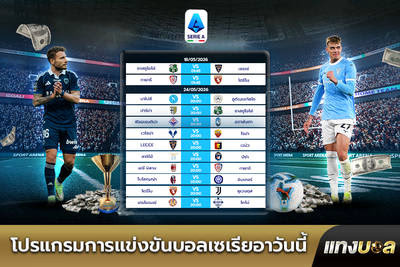
Serie A Schedule and Fixtures

The Serie A schedule and fixtures are the organized timetable of matches in Italy's top professional football league, where teams compete for the title throughout the season. The league consists of 20 teams, each playing 38 matches (19 home and 19 away), resulting in a total of 380 matches during the year. The Serie A games are scheduled regularly, with fixtures announced well in advance to allow teams, broadcasters, and fans to plan accordingly. The fixtures are structured to maintain competitive balance, with high-profile games (the Milan Derby or Juventus vs. Inter Milan) drawing major attention. The Serie A matches play a critical role in maintaining the flow of the season and determining the importance of each match.

The next three matches are AC Milan vs. Juventus on Saturday, April 8, 2026, at 18:00 (CET), followed by Napoli vs. Fiorentina on Sunday, April 9, 2026, at 15:00 (CET), and Inter Milan vs. Roma on Monday, April 10, 2026, at 20:45 (CET). The Serie A fixtures today are important as teams battle for points, with outcomes directly impacting the Serie A standings and title race. Watching the Serie A fixtures offers insight into team performance and contributes to the unfolding drama of the season. The Serie A schedule today provides detailed information on team form, head-to-head records, and goals, which help in understanding the current dynamics within the league. The Serie A Statistics give an in-depth look at these factors, offering fans and analysts the tools to track the league's progress.

Serie A Schedule and Fixtures
Saturday, 23rd Aug
16:30
Sassuolo
Napoli
16:30
Genoa
Lecce
18:45
AS Roma
Bologna
18:45
AC Milan
Cremonese
Sunday, 24th Aug
16:30
Como
Lazio
16:30
Cagliari
Fiorentina
18:45
Juventus
Parma
18:45
Atalanta
Pisa
Monday, 25th Aug
16:30
Udinese
Verona
18:45
Inter
Torino
Friday, 29th Aug
16:30
Cremonese
Sassuolo
18:45
Lecce
AC Milan
Saturday, 30th Aug
16:30
Parma
Atalanta
16:30
Bologna
Como
18:45
Pisa
AS Roma
18:45
Napoli
Cagliari
Sunday, 31st Aug
16:30
Torino
Fiorentina
16:30
Genoa
Juventus
18:45
Lazio
Verona
18:45
Inter
Udinese
Saturday, 13th Sep
13:00
Cagliari
Parma
16:00
Juventus
Inter
18:45
Fiorentina
Napoli
Sunday, 14th Sep
10:30
AS Roma
Torino
13:00
Pisa
Udinese
13:00
Atalanta
Lecce
16:00
Sassuolo
Lazio
18:45
AC Milan
Bologna
Monday, 15th Sep
16:30
Verona
Cremonese
18:45
Como
Genoa
Friday, 19th Sep
18:45
Lecce
Cagliari
Saturday, 20th Sep
13:00
Bologna
Genoa
16:00
Verona
Juventus
18:45
Udinese
AC Milan
Sunday, 21st Sep
10:30
Lazio
AS Roma
13:00
Torino
Atalanta
13:00
Cremonese
Parma
16:00
Fiorentina
Como
18:45
Inter
Sassuolo
Monday, 22nd Sep
18:45
Napoli
Pisa
Saturday, 27th Sep
13:00
Como
Cremonese
16:00
Juventus
Atalanta
18:45
Cagliari
Inter
Sunday, 28th Sep
10:30
Sassuolo
Udinese
13:00
Pisa
Fiorentina
13:00
AS Roma
Verona
16:00
Lecce
Bologna
18:45
AC Milan
Napoli
Monday, 29th Sep
16:30
Parma
Torino
18:45
Genoa
Lazio
Friday, 3rd Oct
18:45
Verona
Sassuolo
Saturday, 4th Oct
13:00
Parma
Lecce
13:00
Lazio
Torino
16:00
Inter
Cremonese
18:45
Atalanta
Como
Sunday, 5th Oct
10:30
Udinese
Cagliari
13:00
Fiorentina
AS Roma
13:00
Bologna
Pisa
16:00
Napoli
Genoa
18:45
Juventus
AC Milan
Saturday, 18th Oct
13:00
Pisa
Verona
13:00
Lecce
Sassuolo
16:00
Torino
Napoli
18:45
AS Roma
Inter
Sunday, 19th Oct
10:30
Como
Juventus
13:00
Genoa
Parma
13:00
Cagliari
Bologna
16:00
Atalanta
Lazio
18:45
AC Milan
Fiorentina
Monday, 20th Oct
18:45
Cremonese
Udinese
Friday, 24th Oct
18:45
AC Milan
Pisa
Saturday, 25th Oct
13:00
Udinese
Lecce
13:00
Parma
Como
16:00
Napoli
Inter
18:45
Cremonese
Atalanta
Sunday, 26th Oct
11:30
Torino
Genoa
14:00
Verona
Cagliari
14:00
Sassuolo
AS Roma
17:00
Fiorentina
Bologna
19:45
Lazio
Juventus
Tuesday, 28th Oct
17:30
Lecce
Napoli
19:45
Atalanta
AC Milan
Wednesday, 29th Oct
17:30
Juventus
Udinese
17:30
Como
Verona
17:30
AS Roma
Parma
19:45
Inter
Fiorentina
19:45
Genoa
Cremonese
19:45
Bologna
Torino
Thursday, 30th Oct
17:30
Cagliari
Sassuolo
19:45
Pisa
Lazio
Saturday, 1st Nov
14:00
Udinese
Atalanta
17:00
Napoli
Como
19:45
Cremonese
Juventus
Sunday, 2nd Nov
11:30
Verona
Inter
14:00
Torino
Pisa
14:00
Fiorentina
Lecce
17:00
Parma
Bologna
19:45
AC Milan
AS Roma
Monday, 3rd Nov
17:30
Sassuolo
Genoa
19:45
Lazio
Cagliari
Friday, 7th Nov
19:45
Pisa
Cremonese
Saturday, 8th Nov
14:00
Lecce
Verona
14:00
Como
Cagliari
17:00
Juventus
Torino
19:45
Parma
AC Milan
Sunday, 9th Nov
11:30
Atalanta
Sassuolo
14:00
Genoa
Fiorentina
14:00
Bologna
Napoli
17:00
AS Roma
Udinese
19:45
Inter
Lazio
Saturday, 22nd Nov
14:00
Udinese
Bologna
14:00
Cagliari
Genoa
17:00
Fiorentina
Juventus
19:45
Napoli
Atalanta
Sunday, 23rd Nov
11:30
Verona
Parma
14:00
Cremonese
AS Roma
17:00
Lazio
Lecce
19:45
Inter
AC Milan
Monday, 24th Nov
17:30
Torino
Como
19:45
Sassuolo
Pisa
Friday, 28th Nov
19:45
Como
Sassuolo
Saturday, 29th Nov
14:00
Parma
Udinese
14:00
Genoa
Verona
17:00
Juventus
Cagliari
19:45
AC Milan
Lazio
Sunday, 30th Nov
11:30
Lecce
Torino
14:00
Pisa
Inter
17:00
Atalanta
Fiorentina
19:45
AS Roma
Napoli
Monday, 1st Dec
19:45
Bologna
Cremonese
Saturday, 6th Dec
14:00
Sassuolo
Fiorentina
17:00
Inter
Como
19:45
Verona
Atalanta
Sunday, 7th Dec
11:30
Cremonese
Lecce
14:00
Cagliari
AS Roma
17:00
Lazio
Bologna
19:45
Napoli
Juventus
Monday, 8th Dec
14:00
Pisa
Parma
17:00
Udinese
Genoa
19:45
Torino
AC Milan
Friday, 12th Dec
19:45
Lecce
Pisa
Saturday, 13th Dec
14:00
Torino
Cremonese
17:00
Parma
Lazio
19:45
Atalanta
Cagliari
Sunday, 14th Dec
11:30
AC Milan
Sassuolo
14:00
Udinese
Napoli
14:00
Fiorentina
Verona
17:00
Genoa
Inter
19:45
Bologna
Juventus
Monday, 15th Dec
19:45
AS Roma
Como
Saturday, 20th Dec
17:00
Lazio
Cremonese
19:45
Juventus
AS Roma
Sunday, 21st Dec
11:30
Cagliari
Pisa
14:00
Sassuolo
Torino
17:00
Fiorentina
Udinese
19:45
Genoa
Atalanta
Saturday, 27th Dec
11:30
Parma
Fiorentina
14:00
Torino
Cagliari
14:00
Lecce
Como
17:00
Udinese
Lazio
19:45
Pisa
Juventus
Sunday, 28th Dec
11:30
AC Milan
Verona
14:00
Cremonese
Napoli
17:00
Bologna
Sassuolo
19:45
Atalanta
Inter
Monday, 29th Dec
19:45
AS Roma
Genoa
Friday, 2nd Jan
19:45
Cagliari
AC Milan
Saturday, 3rd Jan
11:30
Como
Udinese
14:00
Sassuolo
Parma
14:00
Genoa
Pisa
17:00
Juventus
Lecce
19:45
Atalanta
AS Roma
Sunday, 4th Jan
11:30
Lazio
Napoli
14:00
Fiorentina
Cremonese
17:00
Verona
Torino
19:45
Inter
Bologna
Tuesday, 6th Jan
14:00
Pisa
Como
17:00
Lecce
AS Roma
19:45
Sassuolo
Juventus
Wednesday, 7th Jan
17:30
Napoli
Verona
17:30
Bologna
Atalanta
19:45
Torino
Udinese
19:45
Parma
Inter
19:45
Lazio
Fiorentina
Thursday, 8th Jan
17:30
Cremonese
Cagliari
19:45
AC Milan
Genoa
Saturday, 10th Jan
14:00
Udinese
Pisa
14:00
Como
Bologna
17:00
AS Roma
Sassuolo
19:45
Atalanta
Torino
Sunday, 11th Jan
11:30
Lecce
Parma
14:00
Fiorentina
AC Milan
17:00
Verona
Lazio
19:45
Inter
Napoli
Monday, 12th Jan
17:30
Genoa
Cagliari
19:45
Juventus
Cremonese
Wednesday, 14th Jan
17:30
Napoli
Parma
19:45
Inter
Lecce
Thursday, 15th Jan
17:30
Verona
Bologna
19:45
Como
AC Milan
Friday, 16th Jan
19:45
Pisa
Atalanta
Saturday, 17th Jan
14:00
Udinese
Inter
17:00
Napoli
Sassuolo
19:45
Cagliari
Juventus
Sunday, 18th Jan
11:30
Parma
Genoa
14:00
Bologna
Fiorentina
17:00
Torino
AS Roma
19:45
AC Milan
Lecce
Monday, 19th Jan
17:30
Cremonese
Verona
19:45
Lazio
Como
Friday, 23rd Jan
19:45
Inter
Pisa
Saturday, 24th Jan
14:00
Como
Torino
17:00
Fiorentina
Cagliari
19:45
Lecce
Lazio
Sunday, 25th Jan
11:30
Sassuolo
Cremonese
14:00
Genoa
Bologna
14:00
Atalanta
Parma
17:00
Juventus
Napoli
19:45
AS Roma
AC Milan
Monday, 26th Jan
19:45
Verona
Udinese
Friday, 30th Jan
19:45
Lazio
Genoa
Saturday, 31st Jan
14:00
Pisa
Sassuolo
17:00
Napoli
Fiorentina
19:45
Cagliari
Verona
Sunday, 1st Feb
11:30
Torino
Lecce
14:00
Como
Atalanta
17:00
Cremonese
Inter
19:45
Parma
Juventus
Monday, 2nd Feb
19:45
Udinese
AS Roma
Tuesday, 3rd Feb
19:45
Bologna
AC Milan
Friday, 6th Feb
19:45
Verona
Pisa
Saturday, 7th Feb
17:00
Genoa
Napoli
19:45
Fiorentina
Torino
Sunday, 8th Feb
11:30
Bologna
Parma
14:00
Lecce
Udinese
17:00
Sassuolo
Inter
19:45
Juventus
Lazio
Monday, 9th Feb
17:30
Atalanta
Cremonese
19:45
AS Roma
Cagliari
Friday, 13th Feb
19:45
Pisa
AC Milan
Saturday, 14th Feb
14:00
Como
Fiorentina
17:00
Lazio
Atalanta
19:45
Inter
Juventus
Sunday, 15th Feb
11:30
Udinese
Sassuolo
14:00
Parma
Verona
14:00
Cremonese
Genoa
17:00
Torino
Bologna
19:45
Napoli
AS Roma
Monday, 16th Feb
19:45
Cagliari
Lecce
Wednesday, 18th Feb
19:45
AC Milan
Como
Friday, 20th Feb
19:45
Sassuolo
Verona
Saturday, 21st Feb
14:00
Juventus
Como
17:00
Lecce
Inter
19:45
Cagliari
Lazio
Sunday, 22nd Feb
11:30
Genoa
Torino
14:00
Atalanta
Napoli
17:00
AC Milan
Parma
19:45
AS Roma
Cremonese
Monday, 23rd Feb
17:30
Fiorentina
Pisa
19:45
Bologna
Udinese
Friday, 27th Feb
19:45
Parma
Cagliari
Saturday, 28th Feb
14:00
Como
Lecce
17:00
Verona
Napoli
19:45
Inter
Genoa
Sunday, 1st Mar
11:30
Cremonese
AC Milan
14:00
Sassuolo
Atalanta
17:00
Torino
Lazio
19:45
AS Roma
Juventus
Monday, 2nd Mar
17:30
Pisa
Bologna
19:45
Udinese
Fiorentina
Friday, 6th Mar
19:45
Napoli
Torino
Saturday, 7th Mar
14:00
Cagliari
Como
17:00
Atalanta
Udinese
19:45
Juventus
Pisa
Sunday, 8th Mar
11:30
Lecce
Cremonese
14:00
Fiorentina
Parma
14:00
Bologna
Verona
17:00
Genoa
AS Roma
19:45
AC Milan
Inter
Monday, 9th Mar
19:45
Lazio
Sassuolo
Friday, 13th Mar
19:45
Torino
Parma
Saturday, 14th Mar
14:00
Inter
Atalanta
17:00
Napoli
Lecce
19:45
Udinese
Juventus
Sunday, 15th Mar
11:30
Verona
Genoa
14:00
Sassuolo
Bologna
14:00
Pisa
Cagliari
17:00
Como
AS Roma
19:45
Lazio
AC Milan
Monday, 16th Mar
19:45
Cremonese
Fiorentina
Friday, 20th Mar
17:30
Cagliari
Napoli
19:45
Genoa
Udinese
Saturday, 21st Mar
14:00
Parma
Cremonese
17:00
AC Milan
Torino
19:45
Juventus
Sassuolo
Sunday, 22nd Mar
11:30
Como
Pisa
14:00
Bologna
Lazio
14:00
Atalanta
Verona
17:00
AS Roma
Lecce
19:45
Fiorentina
Inter
Saturday, 4th Apr
13:00
Sassuolo
Cagliari
16:00
Verona
Fiorentina
18:45
Lazio
Parma
Sunday, 5th Apr
13:00
Cremonese
Bologna
16:00
Pisa
Torino
18:45
Inter
AS Roma
Monday, 6th Apr
10:30
Udinese
Como
13:00
Lecce
Atalanta
16:00
Juventus
Genoa
18:45
Napoli
AC Milan
Friday, 10th Apr
18:45
AS Roma
Pisa
Saturday, 11th Apr
13:00
Torino
Verona
13:00
Cagliari
Cremonese
16:00
AC Milan
Udinese
18:45
Atalanta
Juventus
Sunday, 12th Apr
10:30
Genoa
Sassuolo
13:00
Parma
Napoli
16:00
Bologna
Lecce
18:45
Como
Inter
Monday, 13th Apr
18:45
Fiorentina
Lazio
Friday, 17th Apr
16:30
Sassuolo
Como
18:45
Inter
Cagliari
Saturday, 18th Apr
13:00
Udinese
Parma
16:00
Napoli
Lazio
18:45
AS Roma
Atalanta
Sunday, 19th Apr
10:30
Cremonese
Torino
13:00
Verona
AC Milan
16:00
Pisa
Genoa
18:45
Juventus
Bologna
Monday, 20th Apr
18:45
Lecce
Fiorentina
Friday, 24th Apr
18:45
Napoli
Cremonese
Saturday, 25th Apr
13:00
Parma
Pisa
16:00
Bologna
AS Roma
18:45
Verona
Lecce
Sunday, 26th Apr
10:30
Fiorentina
Sassuolo
13:00
Genoa
Como
16:00
Torino
Inter
18:45
AC Milan
Juventus
Monday, 27th Apr
16:30
Cagliari
Atalanta
18:45
Lazio
Udinese
Friday, 1st May
18:45
Pisa
Lecce
Saturday, 2nd May
13:00
Udinese
Torino
16:00
Como
Napoli
18:45
Atalanta
Genoa
Sunday, 3rd May
10:30
Bologna
Cagliari
13:00
Sassuolo
AC Milan
16:00
Juventus
Verona
18:45
Inter
Parma
Monday, 4th May
16:30
Cremonese
Lazio
18:45
AS Roma
Fiorentina
Friday, 8th May
18:45
Torino
Sassuolo
Saturday, 9th May
13:00
Cagliari
Udinese
16:00
Lazio
Inter
18:45
Lecce
Juventus
Sunday, 10th May
10:30
Verona
Como
13:00
Fiorentina
Genoa
13:00
Cremonese
Pisa
16:00
Parma
AS Roma
18:45
AC Milan
Atalanta
Monday, 11th May
18:45
Napoli
Bologna
Sunday, 17th May
10:00
Pisa
Napoli
10:00
Juventus
Fiorentina
10:00
Genoa
AC Milan
10:00
Como
Parma
10:00
AS Roma
Lazio
13:00
Inter
Verona
16:00
Atalanta
Bologna
18:45
Udinese
Cremonese
18:45
Sassuolo
Lecce
18:45
Cagliari
Torino
Friday, 22nd May
18:45
Fiorentina
Atalanta
Saturday, 23rd May
16:00
Bologna
Inter
18:45
Lazio
Pisa
Sunday, 24th May
13:00
Parma
Sassuolo
16:00
Napoli
Udinese
18:45
Verona
AS Roma
18:45
Torino
Juventus
18:45
Lecce
Genoa
18:45
Cremonese
Como
18:45
AC Milan
Cagliari

Today's Serie A football schedule

Today’s Serie A football schedule features compelling fixtures as the league's season unfolds with high stakes. Fans are set to enjoy exciting matchups that hold significant implications for the standings and European qualification spots. Every match is a chance to see some of the finest players in football compete, creating an electrifying atmosphere. Each game builds anticipation as clubs strive to secure important points. The current Serie A standings play a pivotal role in fueling the excitement, with teams aiming for the top and others battling to stay clear of relegation. Each game carries added importance, influencing both the championship race and the fight for survival.

[Monday], [November 24, 2025]
Select League:
Premier League
La Liga
Bundesliga
Serie A
Ligue 1
Eredivisie
Championship

[20:00 CET]
[AC Milan vs. Juventus] - 3-2

Betting Options:
Bet Home Win
Bet Draw
Bet Away Win
Over 2.5 Goals
Both Teams to Score

Today's Serie A football schedule

Serie A Schedule This Week

Serie A Schedule this week promises an action-packed slate of matches as teams continue to battle for critical points. Serie A fixtures this week see clubs working hard to improve their standings, secure spots for European competitions, and avoid relegation. Expect to see top players (Romelu Lukaku, Dusan Vlahovic, and Lautaro Martínez) showcase their skills on the pitch. The week's fixtures are set to bring expected and surprising outcomes, heightening the intensity and excitement of the Serie A games today.

[April 9 - April 15, 2026]

Select League:
Premier League
La Liga
Bundesliga
Serie A
Ligue 1
Eredivisie
Championship

Monday
[20:45 CET]
[AC Milan vs. Torino]
[Juventus vs. Fiorentina]

Tuesday
[21:00 CET]
[Sampdoria vs. Bologna]

Saturday
[13:00 CET]
[Cagliari vs. Napoli]

[18:00 CET]
[Inter Milan vs. Empoli]
[21:00 CET]
[AS Roma vs. Lecce]

Sunday
[12:30 CET]
[Sassuolo vs. Spezia]

[18:00 CET]
[Atalanta vs. Verona]
[21:00 CET]
[Salernitana vs. Lazio]

Serie A Schedule This Week

Serie A Schedule This Month

Serie A Schedule this month features a series of exciting matchups as teams continue their campaigns toward the league title, European spots, and survival in the top division. The current month’s fixtures highlight key rivalries and pivotal games that shape the league standings, with clubs aiming to build momentum or recover from setbacks. Fans look forward to intense action on the pitch, as each game holds significant importance for the teams involved, making it an exciting month for Serie A enthusiasts.

[April 2026]

Select League:
Premier League
La Liga
Bundesliga
Serie A
Ligue 1
Eredivisie
Championship

[Monday], [April 9, 2026]
[20:45 CET]
[AC Milan vs. Roma]

[Tuesday], [April 11, 2026]
[21:00 CET]
[Sampdoria vs. Bologna]

[Saturday], [April 14, 2026]
[13:00 CET]
[Cagliari vs. Napoli]
[21:00 CET]
[Inter Milan vs. Empoli]

[Sunday], [April 15, 2026]
[18:00 CET]
[AS Roma vs. Lecce]
[21:00 CET]
[Juventus vs. Fiorentina]

Betting Options:
Bet Home Win
Bet Draw
Bet Away Win
Over 2.5 Goals
Both Teams to Score

Remaining Serie A Fixtures

Remaining Serie A Fixtures present a clear picture of how the final stretch of the season shapes each club’s path, with every match holding influence on title races, European spots, or relegation battles. Each fixture brings pressure, as a single win, draw, or loss shifts momentum for teams aiming for a top-four finish or survival at the bottom of the table. The schedule builds steady anticipation, as familiar rivals meet again with fresh stakes and renewed determination. Every upcoming game adds weight to the story of the league, giving each team a defined opportunity to strengthen its position before the season ends.

[Monday], [April 9, 2026]
Select League:
Premier League
La Liga
Bundesliga
Serie A
Ligue 1
Eredivisie

Championship

[20:45 CET]
[AC Milan vs. Roma]

Betting Options:
Bet Home Win
Bet Draw
Bet Away Win
Over 2.5 Goals
Both Teams to Score

How do you bet on Serie A matches on UFABET using the fixture schedule?

Bet on Serie A matches on UFABET using the fixture schedule by following the five steps listed below.

  1. Register or Log In. Complete the registration process on UFABET by providing basic details to create an account for Serie A betting. Provide a username, password, and phone number during sign-up. Verify the account by entering the OTP code sent via SMS to confirm identity and activate access. The step secures your account before betting on Serie A matches.
  2. Deposit Funds.Add funds to the UFABET account after completing registration and verification. Choose from various payment methods and currencies (bank transfer, e-wallets) that align with banking preferences. Confirm the deposit transaction, and the system will update the account balance once completed.
  3. Choose a Match from the Fixture Schedule List. Select a Serie A match from the fixture schedule that displays all upcoming games, including dates, times, and teams. Research the teams to analyze recent form, tactical tendencies, injuries, and past matchups, which influence the expected outcomes. The schedule organizes fixtures chronologically, allowing alignment of bets with personal analysis and timing preferences.
  4. Select a Betting Market. Review available betting markets for the chosen Serie A fixture. Choose Match Result to predict a home win, away win, or draw. Use Over/Under Goals to bet on total goals scored against a set number. Pick Both Teams to Score to predict whether both teams score during the match. Explore additional markets, including Correct Score, First Goalscorer, Handicap Betting, Half-Time/Full-Time Results, and Total Corners, offering various strategic betting options for football betting.
  5. Place a Bet. Enter a stake amount and confirm the bet after selecting the preferred market. Practice responsible betting by setting clear budget limits to avoid financial strain while enjoying the process. Odds determine the potential payout, with higher odds reflecting less likely outcomes. Use team statistics (defensive and attacking records, home and away performance, and recent results) to make informed betting decisions. Manage the bankroll by allocating a small percentage of the total funds per wager to reduce long-term risk.

Which upcoming Serie A fixtures are the most anticipated this season?

The upcoming Serie A fixtures that are most anticipated this season include the Milan Derby between AC Milan and Inter Milan, Juventus' clash with Roma, and the showdown between Napoli and Lazio, all important for the title race and European qualification spots. The Milan Derby reignites the fierce rivalry between AC Milan and Inter Milan, where league dominance, pride, and potential top-four finishes are at stake. Juventus' meeting with Roma is filled with historical significance and competitive ambition, with both clubs battling for Champions League spots. The encounter between Napoli and Lazio adds extra intensity as both teams fight for a place in Europe's elite competition. Serie A matches promise high drama, packed stadiums, and major implications for the remainder of the season.

How is the Serie A schedule created each year?

The \*Serie A schedule\* is created each year by the Lega Serie A, the governing body of Italy’s top football league. The schedule process involves careful planning to ensure fairness and balance for all teams, considering factors like team preferences, stadium availability, broadcasting requirements, and international competition schedules. Serie A fixtures refer to the scheduled matchups between teams during the season, with each match’s date, time, and location being set in advance.

Creating the schedule begins after the conclusion of the previous season, with the fixture list being finalized and published before the new season starts. The Lega Serie A collaborates with teams, TV broadcasters, and other stakeholders to accommodate logistical needs and commercial demands. The process includes accounting for international tournaments ( the UEFA Champions League) to avoid scheduling conflicts for teams participating in the competitions. National team fixtures, international breaks, and regional matchups are taken into account to create a balanced fixture list. The goal is to ensure a fair and competitive season while maintaining commercial viability.

When is the Serie A fixture list officially released?

The Serie A fixture list officially releases when the factors listed below are evaluated to create a workable season schedule.

  • Club or team requests and preferences: Teams submit requests for specific fixture dates, such as avoiding home matches on certain days due to stadium availability. It allows clubs to manage logistics and ensure optimal matchday experiences.
  • Television broadcasting requirements: Broadcast partners request certain fixtures to be scheduled in prime time to maximize viewership and ad revenue. High-profile matches are placed in these windows.
  • Travel considerations: The league ensures that travel for away teams is manageable. The system includes grouping matches for clubs that are geographically close to each other, reducing the strain on players.
  • Teams involved in other European Competitions: Clubs participating in European leagues (UEFA Champions League or Europa League) need additional rest days. Fixtures are adjusted to accommodate the teams’ international commitments.
  • International Breaks: The Serie A fixture list is arranged to avoid clashes with FIFA international windows, ensuring that players represent their national teams without affecting club competitions.
  • Stadium availability: The availability of stadiums is an important consideration. Certain fixtures moved to accommodate maintenance, renovations, or special events at the clubs’ home grounds.
  • Balanced home and away games: Efforts are made to balance the number of home and away matches for each team early in the season, to ensure fairness in terms of home advantage.
  • Weather and seasonal considerations: Weather conditions are taken into account when scheduling matches for teams in regions with harsh winter climates. It helps reduce the impact of weather on the quality of play.

Can Serie A matches be postponed after the schedule is announced?

Yes, Serie A matches can be postponed after the schedule is announced. The fixture list is finalized and released in early July, with adjustments made for factors (stadium availability, weather conditions, or unexpected events). Postponements occur due to various reasons, including severe weather, unforeseen circumstances like player strikes, or national and international competitions (UEFA Champions League or World Cup qualifiers). The league works with clubs and broadcasters to reschedule the matches, ensuring minimal disruption to the season’s flow. The match is usually rescheduled within a few weeks, depending on both teams' schedules and other logistical considerations, when a Serie A schedule match is postponed.

What is the structure of the Serie A’s season schedule?

The structure of the Serie A season schedule follows a clear format to ensure fair competition and accommodate various factors throughout the year. The season begins in August and concludes in May, with each team playing 38 matches (home and away) against every other team. The fixtures are organized into 38 rounds, with each round featuring 20 teams. The schedule balances home and away games, considering international breaks, European competition commitments, stadium availability, and weather conditions.

Possible reasons for postponement are listed below.

  • Severe weather conditions make it unsafe to play.
  • Team participation in European competitions requires rescheduling.
  • Emergency situations (natural disasters or civil disturbances).
  • Strikes or player unavailability are causing delays.
  • National team fixtures during international breaks.

How is it settled? It is settled by the league working with the clubs, broadcasters, and stadium authorities to determine a new date for the rescheduled match. The decision takes into account available windows in the schedule, avoiding conflicts with other fixtures. Rescheduled matches are placed in mid-week rounds or during international breaks to maintain fairness and give teams an equal chance to compete. Serie A league officials approve and communicate the changes to the clubs.

How does the league table influence future fixtures?

The league table influences future fixtures by determining the competitive stakes of each match. Serie A follows a double round-robin format, where each team plays against every other team twice. Teams at the top of the table, fighting for the title, face heightened pressure, as every match impacts their chances of securing the championship. Teams at the bottom of the table, battling relegation, play matches with survival on the line, intensifying the importance of their fixtures. The positioning of teams in the table affects scheduling, with high-stakes encounters placed in optimal time slots to maximize viewership. The rankings ensure that each fixture carries strategic weight, influencing team preparation and fan anticipation.

How Are Serie A Match Dates Adjusted for European Competitions?

Serie A match dates are adjusted for European competitions by rescheduling fixtures to accommodate the scheduling demands of domestic and international tournaments. Teams participating in UEFA competitions (the Champions League and Europa League) have mid-week fixtures that conflict with the Serie A schedule. The matches are moved to weekends or other available dates to avoid fixture congestion and allow teams to adequately prepare.

For example, a match originally scheduled for Saturday, October 1, 2026, between Juventus and Sampdoria moved to Sunday, October 3, 2026, if Juventus is playing a UEFA Champions League match on Tuesday, September 28, 2026. The adjustment provides Juventus with more time to recover after their mid-week European fixture. Rescheduling ensures that teams perform optimally in Serie A and European tournaments without overburdening players, preserving fairness in the league.

When does the Serie A season officially begin each year?

The Serie A season officially begins in August each year. The first round of fixtures takes place during the first weekend of the month. The timing allows the league to align with the start of the European football season and to avoid clashes with summer tournaments or international breaks. The opening match is scheduled on a Saturday or Sunday, with the remaining fixtures spread throughout the weekend. The season runs until May, culminating in the final matchday where the league title, European spots, and relegation positions are determined. The timing of the season's start factors in the preparation time for teams, including pre-season friendlies and training camps, ensuring teams are ready for competitive play.

How Do International Breaks Impact the Serie A Schedule?

International breaks impact the Serie A schedule by causing interruptions in the regular flow of matches. National teams compete in qualifiers or friendly matches, which prevent Serie A players from participating in their club fixtures during the breaks. The Serie A schedule is rescheduled to midweek slots, so teams have enough rest before returning to league play. The scheduling of international breaks is fixed by FIFA and UEFA, occurring in March, September, and November, and lasts for about one to two weeks.

For example, Serie A clubs (Juventus and Inter Milan) adjusted fixtures around international breaks, causing fixture congestion during the March 2022 international break due to player availability issues. The rescheduling helps ensure that teams field their strongest squads once players return from international duty, preventing any disadvantage in competition. The timing of the breaks, while necessary for national team commitments, places additional strain on club teams as they have to manage league and European fixtures within the same time frame.

How many matches are included in the Serie A season schedule?

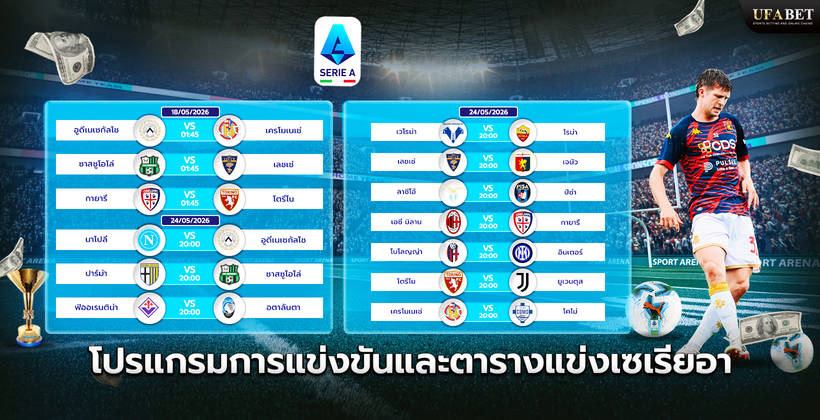
The Serie A season schedule includes 38 matches for each of the 20 teams, making up a total of 380 matches for the entire season. Each team plays every other team twice, once at home and once away, in a double round-robin format. The season begins in August and concludes in May, with matches spread across 38 rounds. The final matchday occurs in the second week of May, determining the league title, European qualification spots, and relegation positions. Fixtures are carefully scheduled to avoid clashes with international breaks and European competitions, ensuring a smooth and competitive season.

Why are most Serie A fixtures scheduled on weekends?

Most Serie A fixtures are scheduled on weekends because it maximizes attendance, viewership, and fan engagement. Each team plays 38 matches during the season, with 19 home and 19 away games. Weekends provide the ideal time for fans to attend matches, as fans are free from work and school commitments. The scheduling aligns with television broadcasting requirements, as weekend matches attract larger audiences and higher viewership ratings. The final number of games across the season, involving 20 teams, totals 380 matches.

What is the average number of games for Serie A in a week? The average number of Serie A games played in a week is around 9 to 10 matches. The league consists of 20 teams, and each round involves all teams playing from Saturday to Monday. Mid-week matches are scheduled due to rescheduling, European commitments, or international breaks. The weekly schedule ensures the competition progresses smoothly without overburdening teams or players, maintaining regular fan engagement and media coverage throughout the week.

Why doesn’t the Serie A schedule include playoffs?

The Serie A schedule does not include playoffs because of tradition, the structure of the league, and considerations for player recovery and viewership. Serie A has maintained a straightforward league format, where the team with the most points at the end of the season is crowned the champion. The tradition is ingrained in Italian football, emphasizing consistent performance over an extended period. The absence of playoffs benefits the league's commercial interests. Serie A maintains a predictable schedule, which is valuable for broadcasters and sponsors by avoiding the disruption that a playoff system would cause. The setup allows the league to maximize viewership by strategically scheduling matches, ensuring high engagement and attendance throughout the season. Players have more time to recover without playoffs, reducing physical demands and injury. The extended recovery period helps preserve the quality of play over the long season. The Serie A format prioritizes consistency, player well-being, and commercial stability, which are supported by not including playoffs.

How Are Serie A Fixtures Distributed Across Matchdays?

Serie A fixtures are distributed across matchdays by spreading the matches over Saturday to Monday to ensure balance, fan engagement, and competitive fairness. Each round involves 20 teams, with the schedule considering factors (team preferences, broadcasting requirements, and regional considerations). High-profile matchups (local derbies or games with significant stakes) are scheduled for prime viewing times (Saturday evenings or Sunday afternoons). For example, a typical matchday distribution includes fixtures like AC Milan vs. Torino on Saturday at 18:00 CET, Napoli vs. Juventus at 20:45 CET, and Roma vs. Atalanta on Sunday at 18:00 CET. The distribution avoids fixture congestion, accounts for European and international breaks, and ensures that fans enjoy a variety of matches throughout the weekend. The structure maintains the flow of the season, allowing teams ample time for recovery and preparation.